
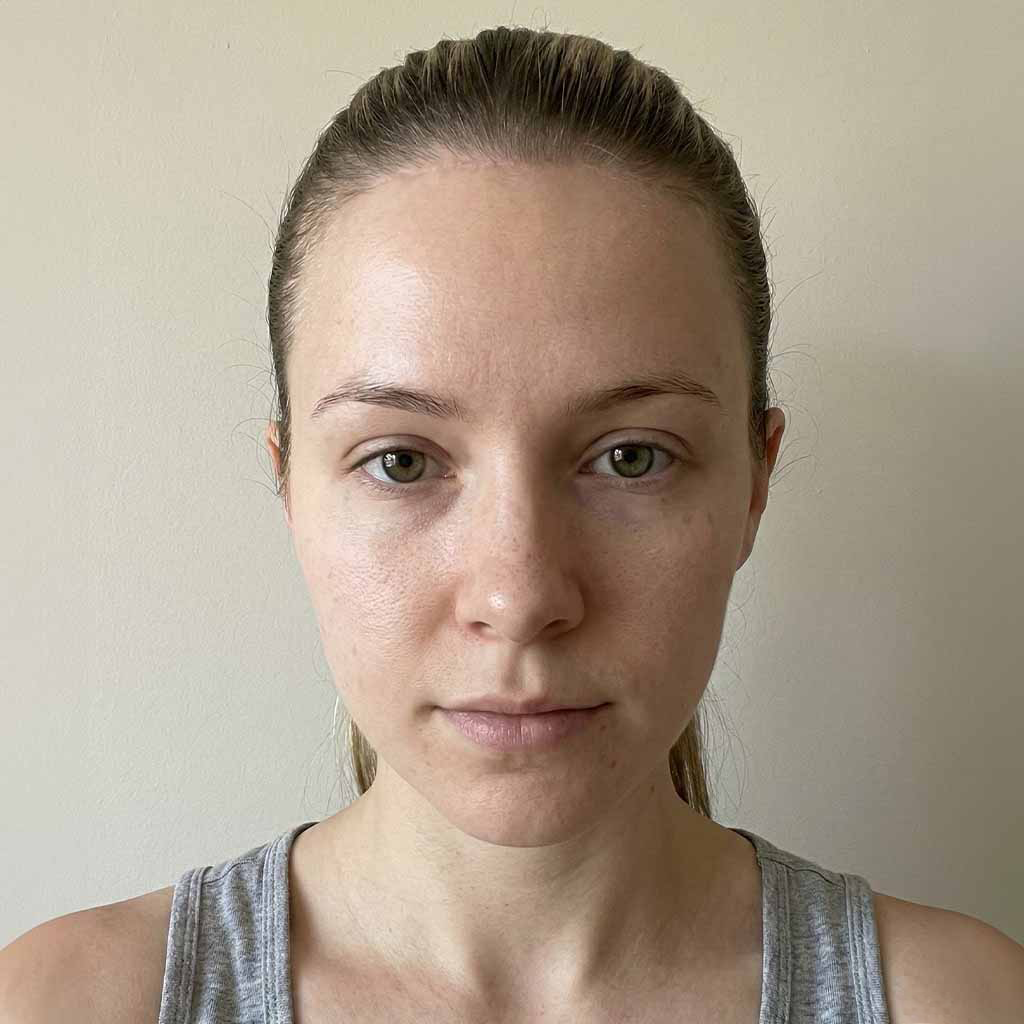


Forehead Reduction Surgery (Hairline Lowering)
Forehead reduction surgery, also known as hairline lowering surgery, is a procedure in which the vertical height of the forehead is decreased by advancing the hairline downwards. A high or overly tall forehead can throw the proportions of the face off and make other features of the face appear too small.
Forehead size is determined by genetics, hairline position and hair density. Some individuals have naturally higher hairlines, while others may develop an enlarged appearance to the forehead as their hairline continues to recede. Forehead reduction surgery shortens the span between the top of the eyebrows and the hairline. This procedure allows for improved facial proportions and symmetry.
Facial Plastic Surgery Abroad in Turkey
A country located at the crossroads of Europe and Asia, with a booming beauty and cosmetic surgery industry, Turkey is a favorite among those choosing to have surgery abroad, offering up some very modern and well-equipped hospitals and a highly trained plastic surgeon community. Learn more about facial plastic surgery and how we at Clinichub can facilitate your surgery overseas. Our practice works with Ministry of Health (MOH) and Joint Commission International (JCI) accredited hospitals in Turkey for all your plastic and cosmetic surgery needs, and a large panel of MOH certified and fellowship trained and board certified specialists that will guide you from the first step in your journey for beauty and surgery, and all the way to full recovery.
What Is Forehead Reduction Surgery?
Forehead reduction surgery is a procedure that lowers the hairline by removing a strip of skin from the forehead and advancing the scalp forward. This produces a shorter and more balanced appearance of the forehead.
This procedure is not hair transplantation. It can however be associated with hair transplantation to define the frontal hair line.
Forehead reduction is particularly suitable for individuals with:
Naturally high hairlines
Large vertical forehead proportions
Stable hair density
No progressive hair loss
The goal is to create natural balance without altering facial identity.
How Does Hairline Lowering Work?
The procedure begins with an incision in the hairline, performed by the surgeon. The amount of forehead skin that is excised is calculated based on the thickness and height of the patient’s hairline, as well as the desired position of the new hairline. The surgeon then advances the scalp and sutures it in place.
Because the incision for this procedure is placed in the hairline scar is usually very well hidden by new hair growth.
Degree of reduction will vary from patient to patient as it is dependent on the elasticity of the scalp and individual anatomy. Generally, the majority of patients require only one surgical procedure to achieve a new hairline position in the range of several millimeters to few centimeters.
Who Is a Good Candidate for Forehead Reduction?
Forehead reduction surgery may be suitable for individuals who:
Feel their forehead is disproportionately large
Have stable hair density
Do not have active hair thinning
Desire immediate hairline lowering results
Are in good general health
Have realistic expectations
Patients with progressive hair loss may require careful evaluation before proceeding.
A detailed consultation evaluates scalp elasticity, hairline stability, and overall facial proportions.
Why Consider Forehead Reduction Surgery?
Improve Facial Proportion
Decreasing the length of the forehead brings the upper, middle and lower thirds of the face into more harmonious proportions.
Create a Harmonious Hairline
Hairline lowering creates a softer and more proportionate facial frame.
Immediate Structural Change
Whereas hair transplantation usually takes at least a year or so before the full effects of the procedure can be seen, a good forehead reduction results in a noticeable hairline advancement immediately.
Long-Lasting Results
When performed on patients with stable hairlines, results are permanent.
Forehead Reduction Cost: How Much Is Hairline Lowering?
It’s important to keep in mind that cost of a forehead reduction procedure will vary. Many factors may be included in the cost such as level of complexity of surgery, amount of excess skin to be removed, level of elasticity of the scalp, expertise of the surgeon, location and standards of hospital, or additional surgical procedures that may be required.
Due to variations in individual anatomy pricing will be provided following a consultation and individualised surgical procedure determined.
Factors Affecting Forehead Reduction Cost
Amount of Hairline Advancement
Greater reduction may require more extensive surgical planning.
Scalp Elasticity
Limited elasticity may affect technique and complexity.
Surgeon Experience and Accredited Facilities
Experienced surgeons and internationally accredited hospitals influence overall cost.
The Forehead Reduction Procedure: What to Expect
Forehead reduction surgery focuses on achieving balanced proportions while preserving natural appearance.
Initial Consultation
The surgeon will evaluate the height of the forehead, the hairline and scalp density as well as the mobility of the scalp. This involves a thorough discussion of the measurements as well as an understanding of the patient’s expectations.
Preparing for Surgery
Preparation may include:
Medical assessment
Avoiding smoking
Stopping blood-thinning medications
Fasting before anaesthesia
These steps minimise surgical risks and support healing.
During the Procedure
Forehead reduction surgery is almost always carried out under general anaesthesia. The procedure involves making an incision along the hairline to remove the excess skin of the forehead. The scalp is then advanced and secured in the new position.
Anaesthesia
General anaesthesia ensures patient comfort and surgical precision.
Incision Placement
The incision is placed along the natural hairline to conceal scarring.
Immediate Aftercare in the Hospital
Patients are monitored as the anaesthetic is worn off. Most patients require one overnight stay in the hospital.
Following discharge from the hospital, the patient will be taken back to their hotel where they will continue to receive follow up care and 24/7 medical support from Clinichub, prior to their scheduled follow-up consultation and departure flight.
Forehead Reduction Recovery: Timeline and Aftercare
Recovery varies depending on individual healing.
What to Expect During Recovery
First week: Swelling and mild discomfort
7–10 days: Stitches removed if non-dissolvable
2–3 weeks: Gradual improvement
Several months: Scar maturation
Managing Swelling
Keeping the head elevated and avoiding excessive forehead tension supports healing.
Post-Operative Care Instructions
Patients should:
Avoid strenuous activity
Avoid excessive facial movements initially
Attend follow-up appointments
Protect the incision area
Forehead Reduction Results: Before and After
Results are visible immediately after surgery, with final refinement as swelling subsides.
Realistic Expectations
Forehead reduction improves proportion but does not alter fundamental facial identity.
Are Results Permanent?
Results are long-lasting when hairline stability is maintained.
Risks and Complications
Forehead reduction surgery is considered safe when performed by experienced surgeons.
Common Side Effects
Swelling
Temporary numbness
Mild tightness
Potential Complications
Visible scarring
Temporary hair thinning near incision
Asymmetry
Following post-operative instructions significantly reduces risks.
Why Choose Clinichub for Forehead Reduction Surgery?
Clinichub is an international health tourism organisation in Turkey, working with internationally certified plastic surgeons in JCI and ISO accredited hospitals.
With careful planning, effective communication and adequate postoperative care, a safe and satisfactory experience of hairline lowering surgery can be achieved through Clinichub.
Contact Clinichub today for a free consultation and personalised forehead reduction plan.


